A strong roof protects your home, your family and your long-term investment. But over time, even the most durable systems wear out. Knowing when it's time to replace your roof can help you avoid costly repairs and protect your home from structural damage.
Here are the most common signs that a roof may be failing, and what you should do next.
Aging Roofs and Their Hidden Risks
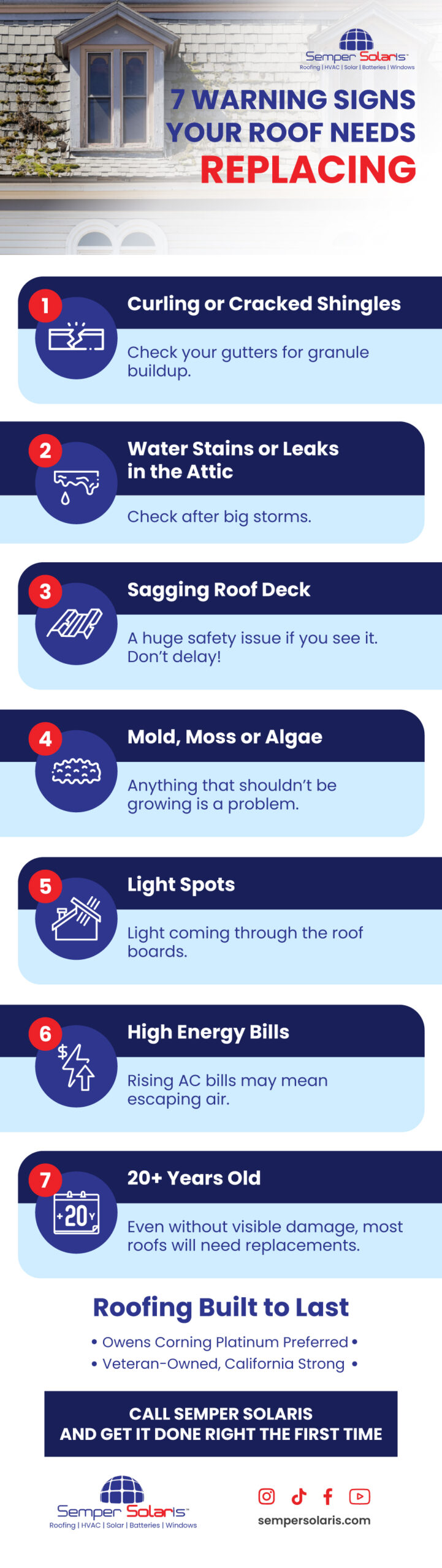
Time alone can wear down your roof. If your asphalt shingle roof is more than 20 years old, it's likely nearing the end of its life. Even if it looks fine from the ground, age-related damage can hide beneath the surface.
Shingles become brittle and lose their protective layer. The roof deck underneath may weaken, especially if the structure has absorbed years of heat or moisture. Some new homeowners notice granules in the gutters, a sure sign that the surface of the shingles is deteriorating.
Aging roofs can also impact energy efficiency. If your home feels hotter in the summer or colder in the winter despite a consistent HVAC setting, your roof may be letting conditioned air escape. Installing a new roof made from a modern, common roofing material can help reduce energy bills and increase comfort year-round.
Damage You Can See (and What It Means)
Water stains on your ceiling are one of the clearest signs of a roof leak. These usually show up as brown, discolored rings or streaks. In some cases, they appear near light fixtures or vents where water has followed wiring or ductwork. Peeling paint or bubbling drywall on walls near the ceiling line may also point to moisture intrusion from above.
You may also notice a musty smell, even if no stain is visible. This often comes from hidden mold or mildew growing in your attic insulation or ceiling cavity. If left unchecked, that moisture can lead to wood rot, degraded insulation and respiratory concerns. In winter, a failing roof can cause warm air to escape, melting snow unevenly and creating dangerous ice dams that lead to even more leaks.
Beyond interior clues, keep an eye on the roof's surface. Curling or cracking shingles, bald spots where granules have worn away or missing shingles altogether are strong signs of aging. These openings allow water to reach the roof deck, leading to swelling, soft spots and eventual failure.
Sagging rooflines should always be investigated. They may be caused by rotting oriented strand board, overloaded roofing layers or prolonged exposure to moisture. A sagging area might look minor now but can collapse under weight from rain or debris.
Storms, Repairs and the Case for Full Replacement
California weather may seem mild compared to other regions, but it can still damage your roof. Heavy rain, wind gusts and blowing debris all put stress on shingles and flashing. After any major storm, it's wise to schedule a roof inspection, even if leaks haven't appeared yet.
Frequent repairs are another sign your roof may need to be replaced. Patching a few shingles every year adds up. If you're calling a roofing contractor regularly to deal with leaks, flashing failures or missing shingles, you may be delaying the inevitable.
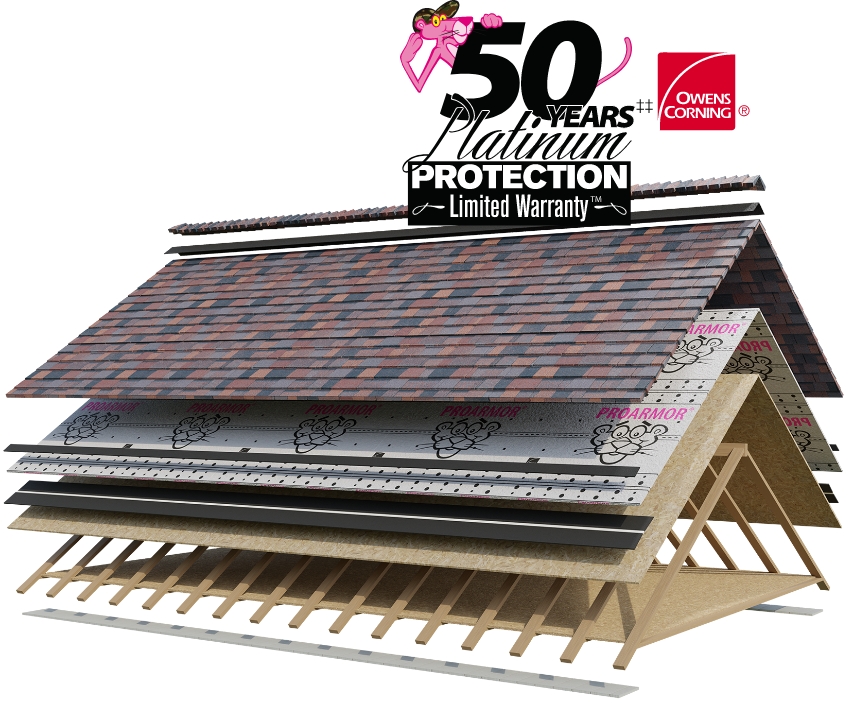
Over time, quick fixes become more expensive than a full roof replacement. A new system using high-quality, common roofing material will be more reliable and carry a stronger warranty, giving you peace of mind for decades.
Roofs and Renovations: When Appearance Matters
That being said, sometimes roof replacements are for aesthetics rather than repairs.
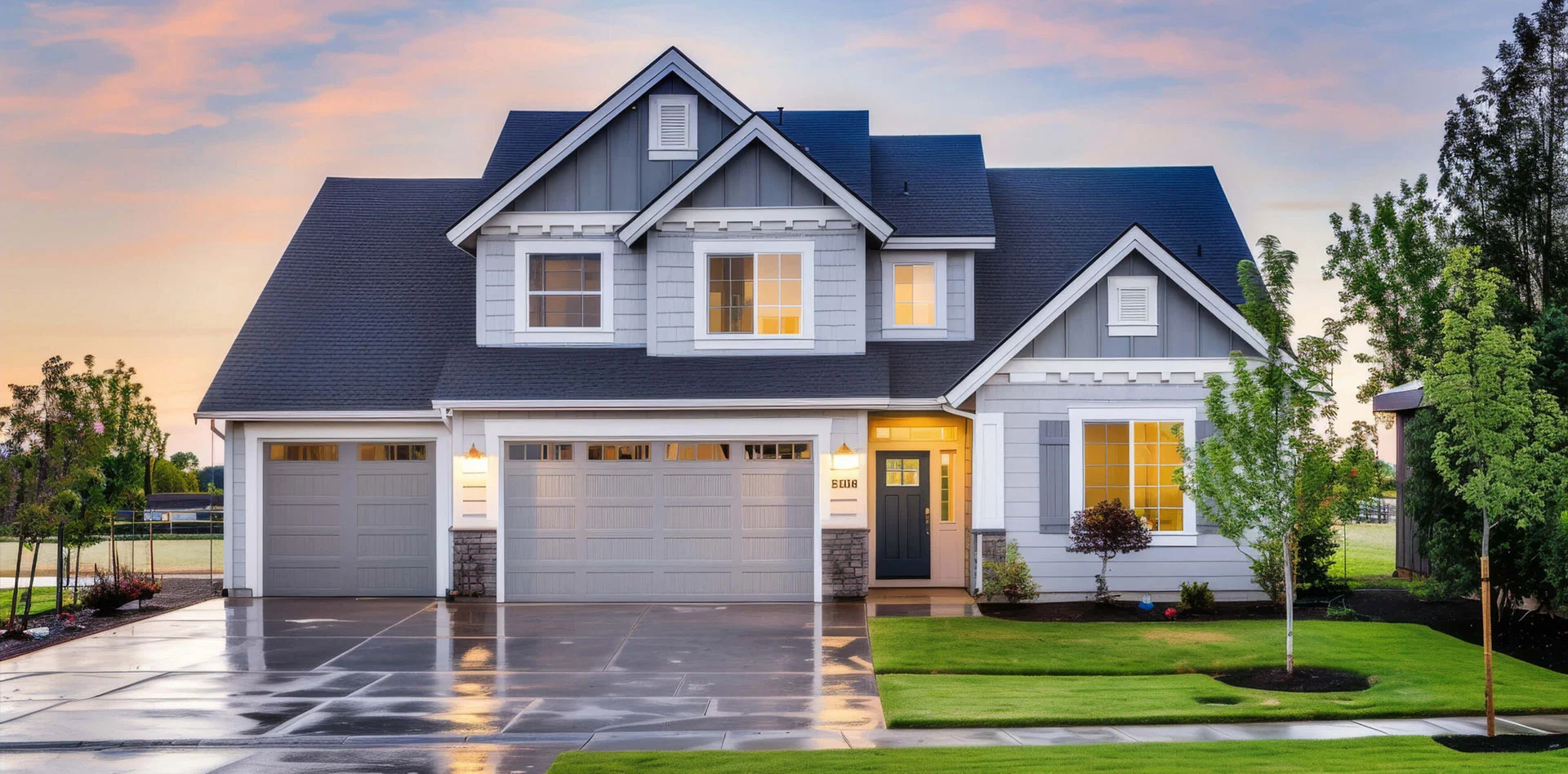
If you've recently upgraded your windows, siding or landscaping, an old roof can stand out for the wrong reasons. Faded colors, streaks, stains and visible patchwork may make the entire home look dated. Replacing your roof brings everything into alignment and boosts curb appeal.
If you’re planning to sell, a new roof is one of the best ways to increase buyer confidence. It signals that the home is well maintained and reduces future repair concerns for potential buyers.
Long-term, a full roof replacement can also be part of a broader home improvement plan. It's a smart investment in your property’s overall condition and resale value.
Planning for Solar? Check Your Roof First
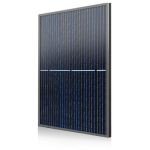
Solar panels can last 25 years or more. But if your roof won’t last that long, the panels may need to come down just to perform repairs underneath. That adds cost and disruption.
Before committing to a solar project, inspect your roof for age, sagging, water damage and surface wear. Many homeowners choose to replace their roof and install solar panels at the same time, streamlining both projects and avoiding future headaches.
At Semper Solaris, we specialize in roofing and solar, making us one of the few contractors in California qualified to handle both in a single project. We use American-made solar panels and install them on roofs built for long-term durability.
When to Call a Roofing Contractor
If you’re asking, “Do I need a new roof?” start with an inspection. A professional will check the full system, including the surface, flashing, roof deck and underlayment, to see whether repairs are enough or if it’s time for a full replacement.
Whether you have a traditional asphalt shingle system or are considering upgrading to metal roofing, it pays to work with a trusted roofing contractor who understands California homes and climate conditions.
Semper Solaris offers complete roofing solutions using top-rated, common roofing material backed by long-term warranties. As a veteran-owned company, we bring discipline, honesty and service to every job.
Frequently Asked Questions
What Does a Worn Out Roof Look Like?
A failing roof may have curled or cracked shingles, dark streaks, sagging areas or missing granules. Inside, you might see water stains, peeling paint or ceiling damage.
What’s The Average Life Span of a Roof?
Most asphalt shingle roofs last about 20 to 25 years. Other systems, like metal roofing, may last 40 years or more with proper upkeep.
How Old May a Roof Be Before Insurance Rejects Claims?
Insurers often become hesitant to cover damage if the roof is over 20 years old without documentation of recent inspections or maintenance.